http://www.arrl.org/news/us-amateur-radio-numbers-reach-an-all-time-high
03/04/2015
Amateur Radio growth in the US continues to soar. At the end of 2014, the total number of radio amateurs in the FCC’s Universal Licensing System (ULS) database reached an all-time high of 726,275. The trend has continued in the first 2 months of 2015, which saw the ham population rise to slightly more than 727,000. The figures exclude expired licenses that are within the 2-year grace period, and club station licenses. Outside of a little dithering last fall, growth in the Amateur Radio Service in 2014 was steady, according to figures compiled by Joe Speroni, AH0A, on his FCC Amateur Radio Statistics web pages. Over the past decade the number of Amateur Radio licenses in the ULS database grew by some 8.1 percent. But 2014 also was a banner year for the ARRL Volunteer Examiner Coordinator (VEC).
“For the first time in the ARRL VEC program’s history, we have conducted more than 7000 Amateur Radio exam sessions in a year, an important milestone,” said ARRL VEC Manager Maria Somma, AB1FM. “A total of 7216 ARRL-sponsored exam sessions were administered in 2014, compared to 6823 in 2013.”
Somma said the number of new licensees spiked to more than 33,000 in 2014, up by about 15 percent from the previous year. Successful license upgrades rose last year by an unprecedented 13 percent over a year earlier.
At the end of 2014, there were 136,405 Amateur Extra, 169,524 General, and 357,236 Technician class licensees — all record numbers, Somma pointed out. While the number of Amateur Extra licensees grew in each month of 2014, the number of Technicians and Generals — and of licensees overall — faltered a bit last July and September. Last year’s overall upward trend quickly recovered, however, during the final quarter of 2014. The General population also dipped briefly in May 2014, before rebounding.
Somma believes the July and September dips may have been a result of applicants’ adjusting to the new Technician question pool that went into effect last July 1. “We always expect an adjustment period when a new question pool is introduced to the public, as VEs, teachers, and candidates must prepare new study and exam materials,” she said, calling the dips “a normal part of the question pool cycle.”
Technician licensees comprise a little less than one-half of the US Amateur Radio population. As of December 31, some 51,000 Advanced and 12,000 Novice licensees remained in the FCC database. The FCC no longer issues Advanced and Novice licenses, and their numbers continue to decline.
Once again, California far and away was home to the largest number of licensees among the 50 states, with 102,806 at the end of February. Texas was a distant second, with 51,022, Florida came in third, with 40,743, Washington was fourth, with 30,511, and Ohio was fifth at 28,256. With the exception of Ohio, the licensing trend in these states has been through the roof. In Ohio, ham radio numbers have begun to flag after holding steady for about the past 4 years.
The state with the fewest number of Amateur Radio licensees in 2014 was North Dakota, with 1477, but in an overall upward trajectory since around 2009. Others with small ham populations include Delaware (1715 and growing), Rhode Island (1926 and drooping), Wyoming (1868 and headed up), and Vermont (2101 and slipping after a bump in 2013 and 2014). The numbers may go a long way toward explaining why these are rare multipliers in the ARRL November Sweepstakes and other events.
Club station licenses in the US number 11,501, according to Speroni’s web pages. — Thanks to Joe Speroni, AH0A; FCC ULS licensing statistics
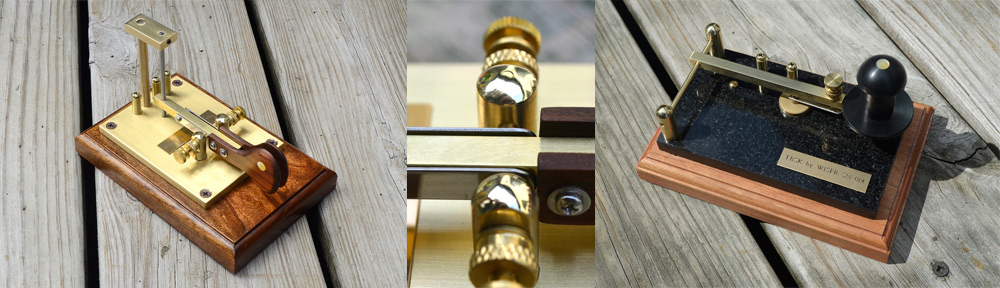

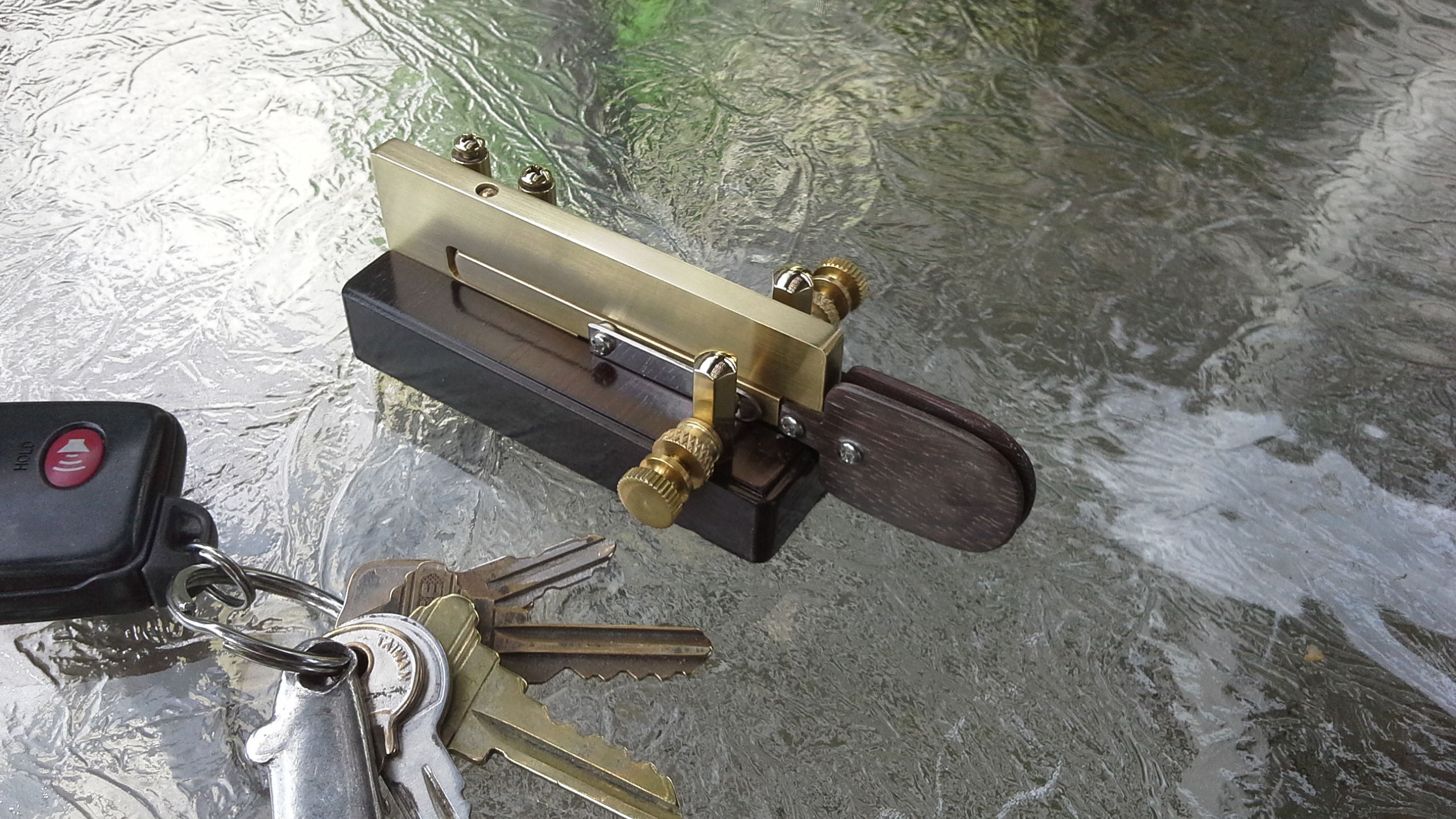
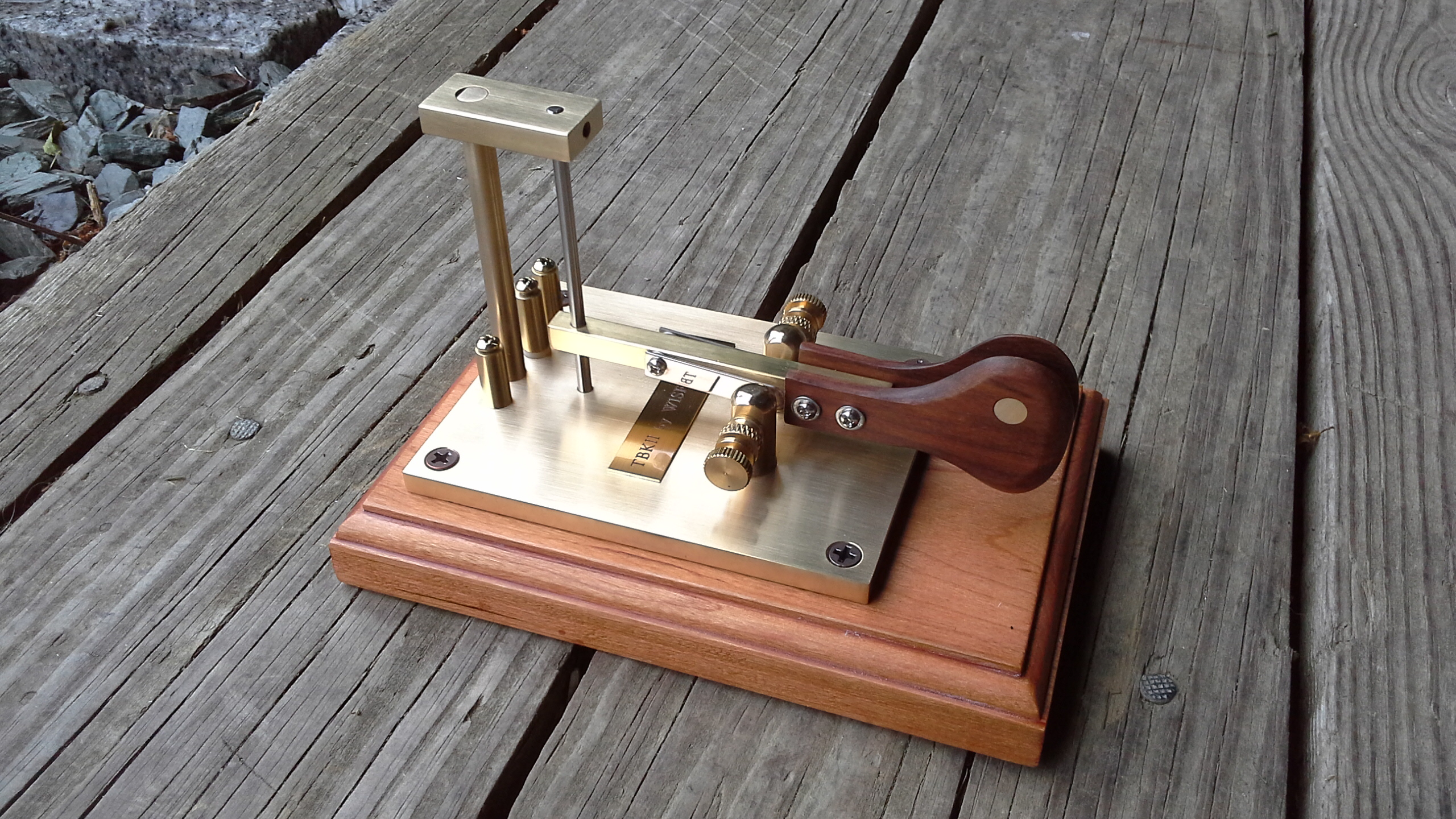
 W1SFR Handmade Torsion Bar Morse Code Keys